

A B2B landing page has one job: turn a paid click into a qualified inquiry. What separates the pages that do it from the ones that quietly burn ad budget: one message, one action, proof where it matters, and forms that respect how committees buy.
A landing page is a standalone page built for one campaign, one audience and one action. Your website has to serve everyone: navigation, ten services, a story. A landing page serves the person who clicked one specific ad, and removes everything that is not the next step for that person.
The commercial reason this matters is arithmetic, not aesthetics. Sending paid traffic to a homepage means paying for clicks and then asking visitors to find their own way to the point. The same budget pointed at a page that continues the ad's exact promise converts more of the clicks you already bought, and in Google Ads it also improves relevance, which lowers what each click costs in the first place. The landing page is usually the cheapest fix in an underperforming campaign.
The buyer is a committee on a timeline, not a person on impulse. That changes the page in specific ways: the conversion is an inquiry or a booked call, not a checkout; the proof has to survive being forwarded to a skeptical colleague, so certifications, client names and numbers outweigh lifestyle imagery; and the copy has to state who the offer is for and what it costs to find out, because a procurement manager filters for fit before anything else.
What does not change from B2C: clarity wins, speed wins, and one page carries one message. B2B is not a licence for density.
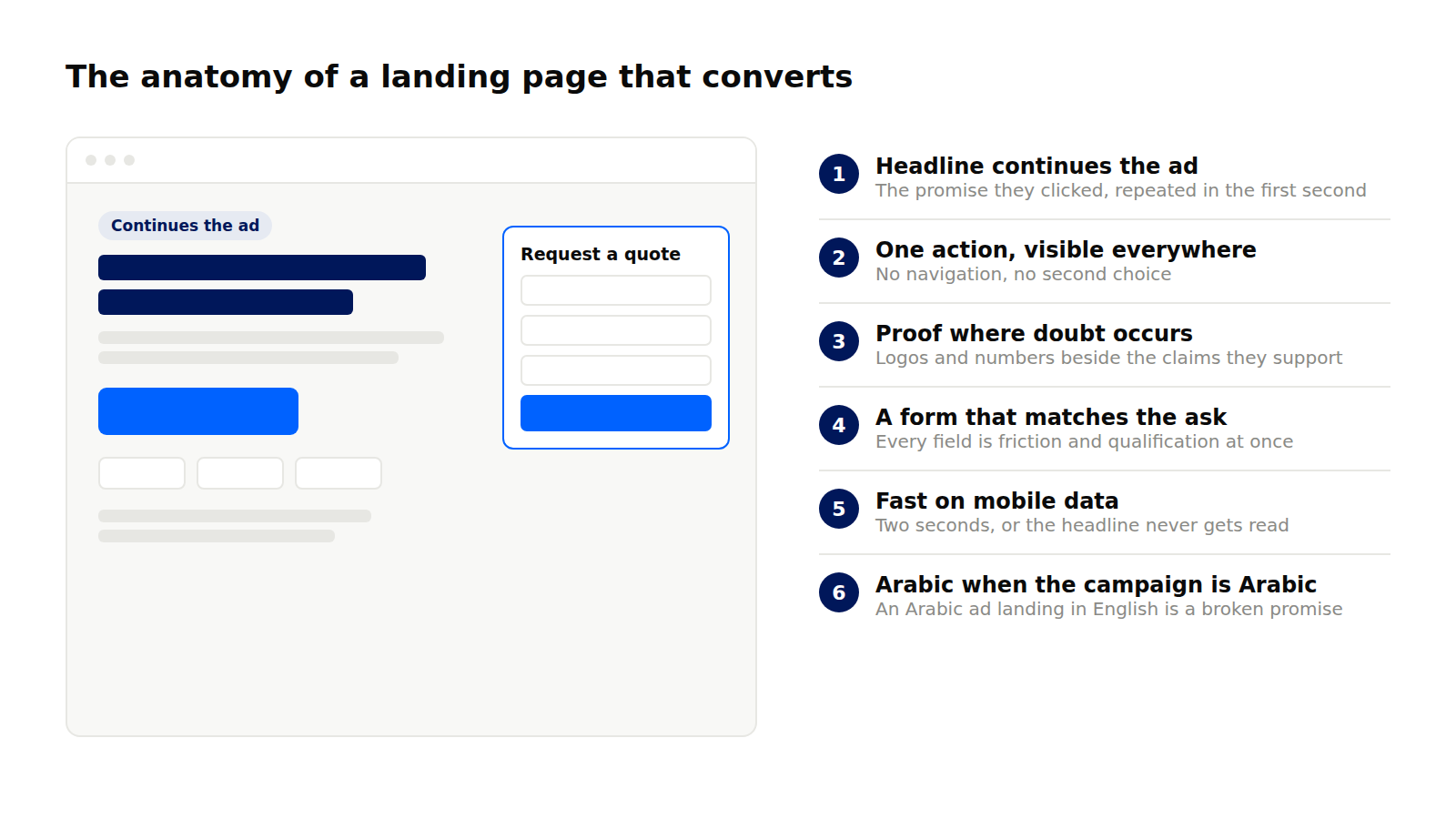
Four patterns account for most of the wasted spend we audit. One page for every campaign, so nothing matches anything. The homepage used as a landing page, with fifty links competing against the one that matters. Claims without evidence: fast delivery and trusted by hundreds convince nobody who buys for a living. And no tracking, so the campaign runs for months with nobody able to say what an inquiry cost. Each one is unglamorous, and each one moves the number more than any redesign.
Two numbers per page: conversion rate and cost per qualified inquiry, with qualified defined by whether sales could actually price the request. Test one meaningful element at a time, headline, offer or form length, and give each test enough traffic to mean something. A B2B landing page converting between five and fifteen percent of paid clicks into inquiries is working; below that range, the diagnosis order is message match first, proof second, form third.
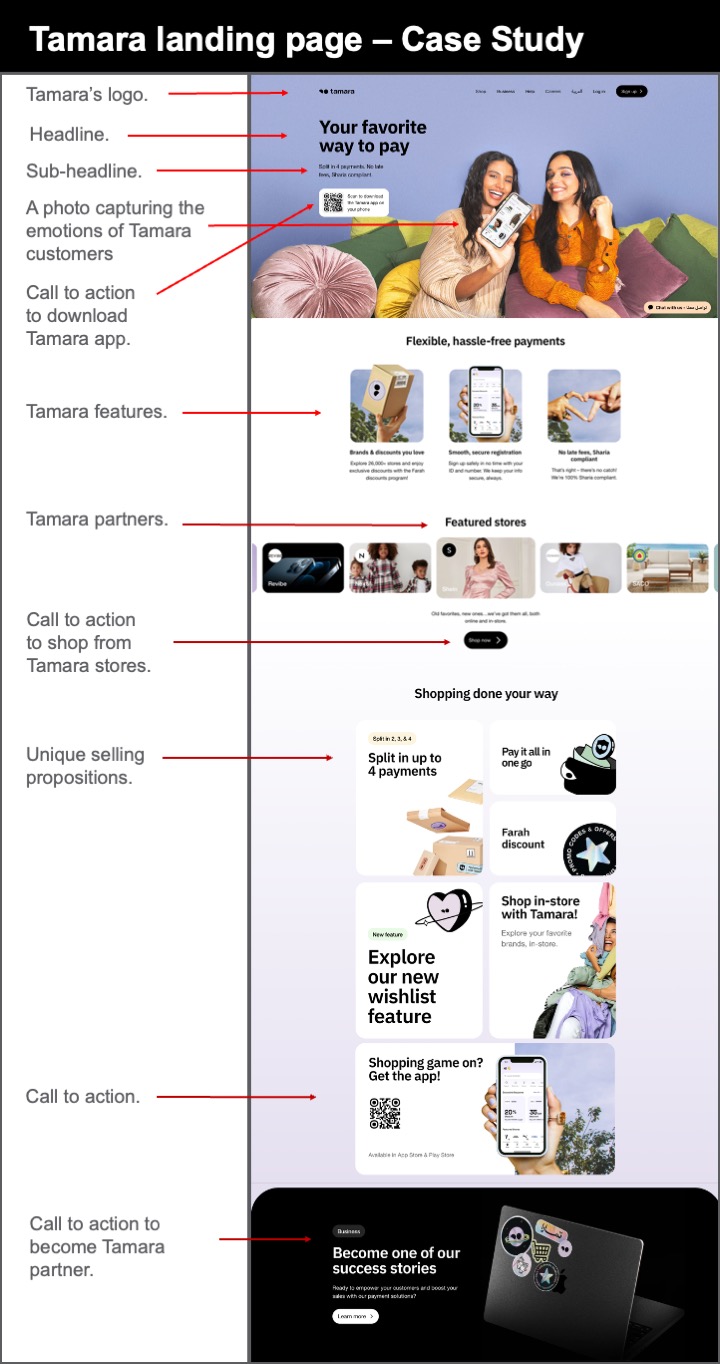
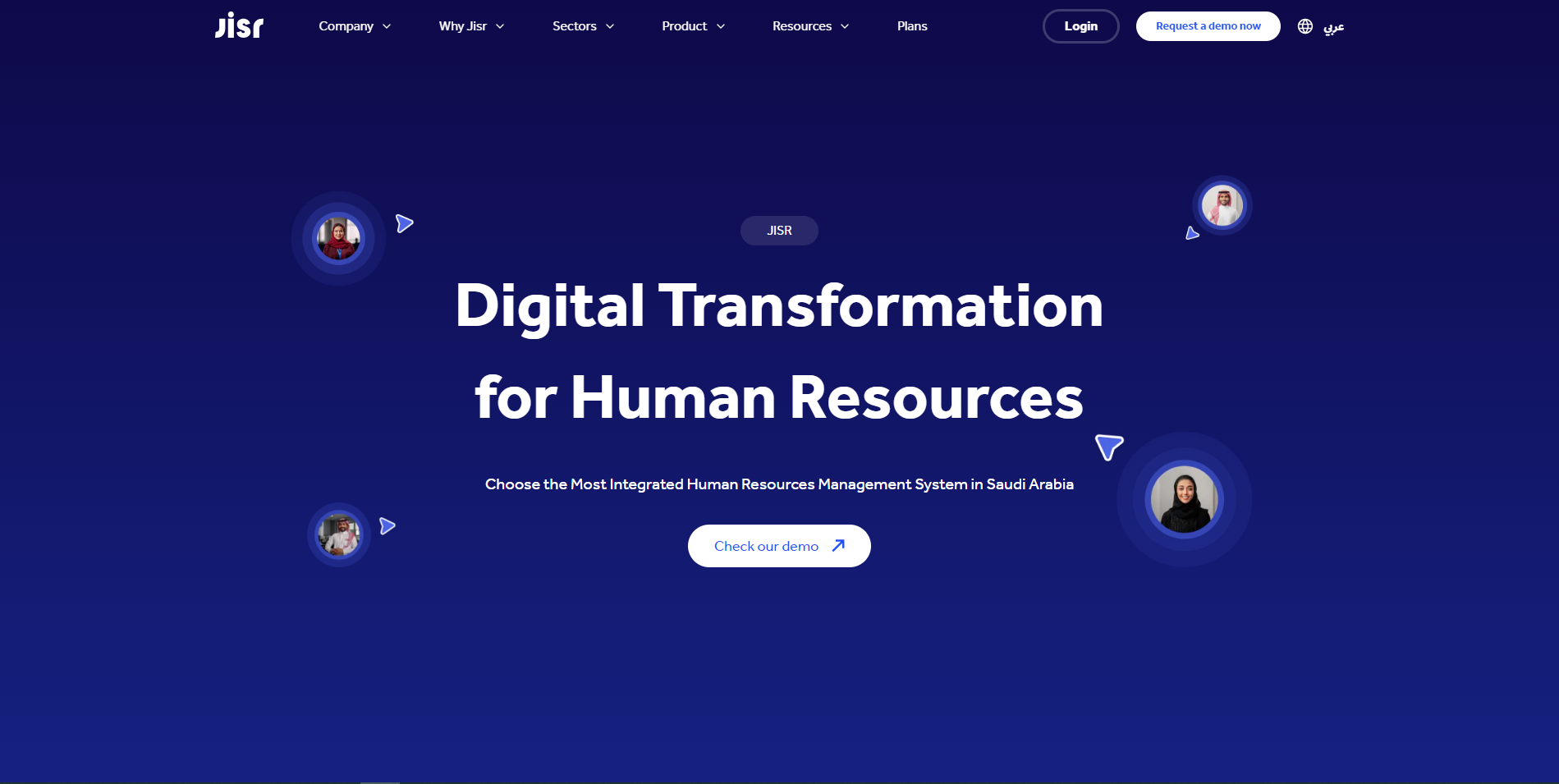
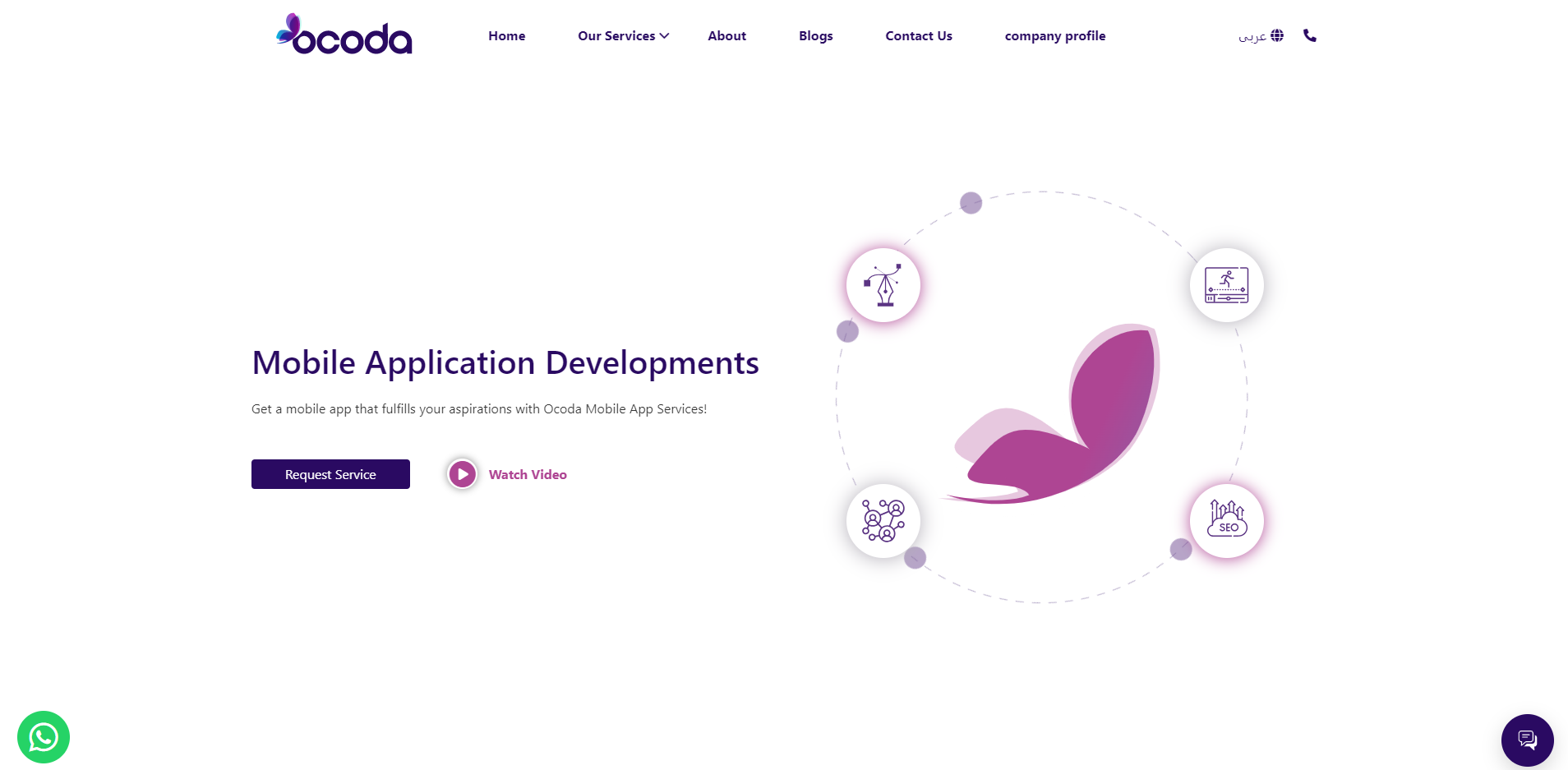
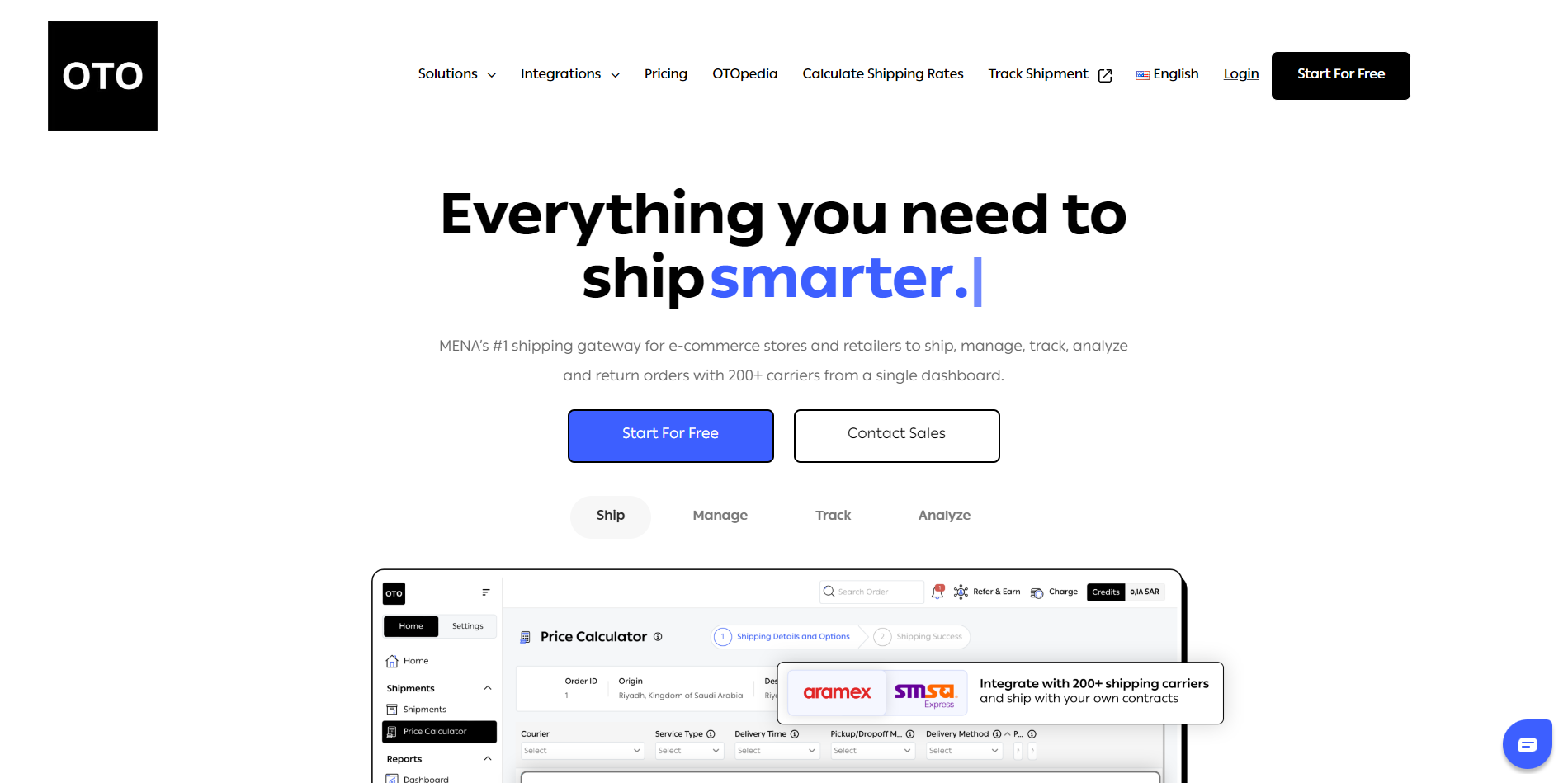
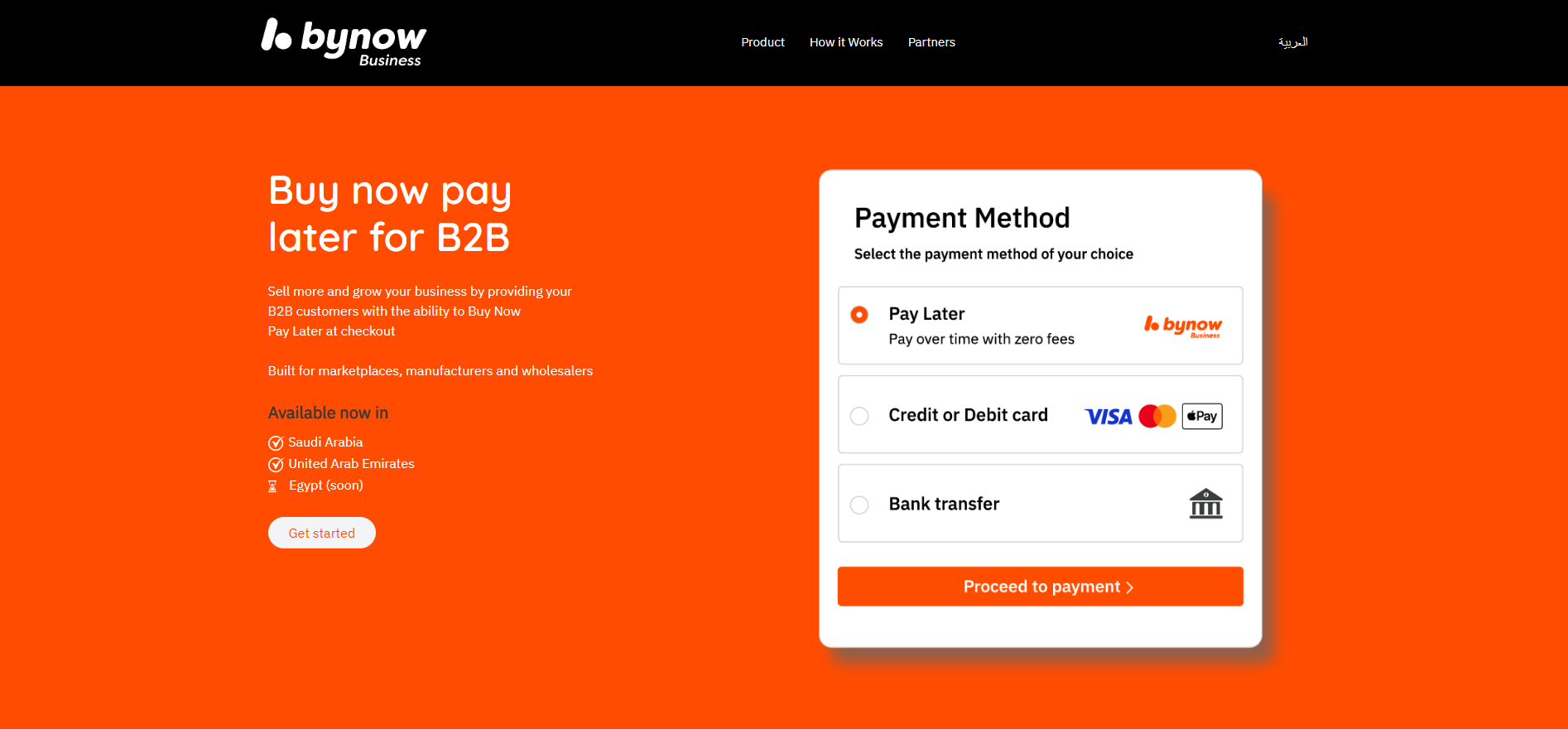
Six landing pages from Saudi companies, captured in 2024, that show parts of the anatomy in practice. Look for the message match, the single action, and where each one places its proof.
One offer stated plainly, one action above the fold.
HR software pitched to a defined buyer, with the demo as the single next step.
Credibility-led layout for a longer decision cycle.
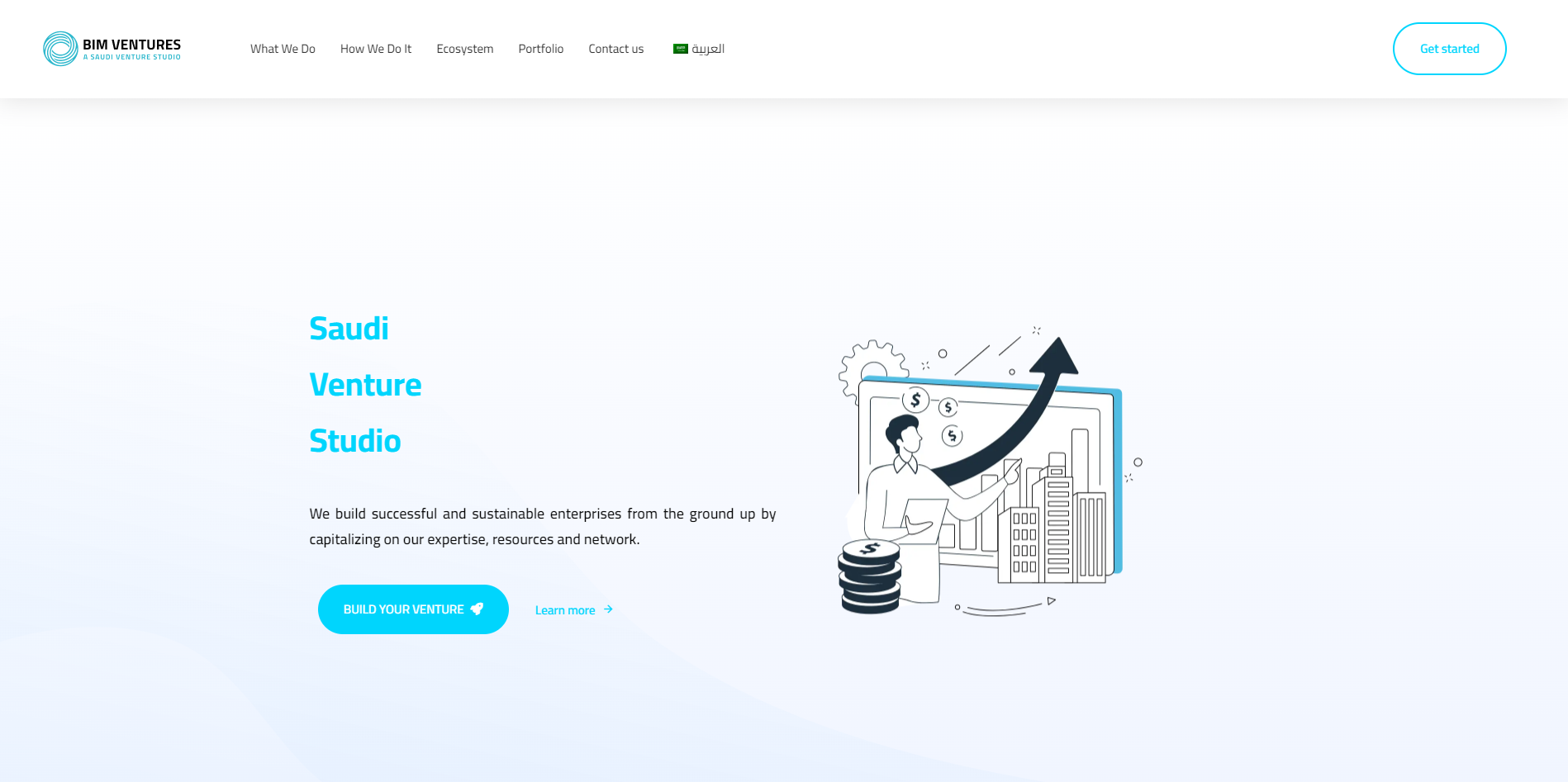
A services page narrowed to one offer and one form.
Proof numbers placed directly beside the promise.
A focused conversion path with the form kept short.
One per distinct offer and audience, not one per ad. If you run campaigns for two services in two languages, that is four pages. The moment one page tries to serve two audiences, both convert worse.
Usually not. Campaign pages exist for paid traffic; keep them out of the index so they never compete with your organic pages, and so you can test aggressively without SEO side effects.
Across Saudi B2B campaigns we run, well built pages typically convert five to fifteen percent of clicks into inquiries depending on offer strength and ticket size. Treat anything under three percent as a message-match problem until proven otherwise.
As long as the decision requires and no longer. A demo request for known software converts on a short page; a six figure industrial service needs the proof laid out. The test is whether every section answers a real objection.
Yes, and you should. A good setup gives your team a template where copy and proof can be swapped per campaign without rebuilding, which is how the cost per page falls with every campaign you launch.
Conversion patterns and ranges from Leads campaign data across Saudi B2B accounts, August 2026. Google Ads relevance and landing page experience guidance, Google Ads documentation. Example pages captured in 2024.

Rida Alhashem
Founder, Leads
B2B marketing and lead generation specialist, with expertise in website development, search and AI visibility in the Saudi market.
inOther notes on getting found and getting inquiries in Saudi B2B.
Tell us what you sell and who buys it. We reply within one business day, with questions, not a pitch.


