

Google has 95.8 percent of Saudi search, Arabic is 0.6 percent of the world's web content, and buyers research in English but judge you in Arabic. What those three facts mean for where a B2B company should spend first.
Most SEO advice is written for markets where one language dominates and the competition has been optimizing for twenty years. Saudi Arabia is neither. Buyers here move between two languages inside a single purchase, the Arabic side of the web is startlingly thin, and most of your competitors have never done serious search work at all.
That combination changes what is worth doing first. This article covers what is actually different, with numbers you can check, and what those differences mean for a B2B company deciding where to spend.
One engine. StatCounter's June 2026 data puts Google at 95.8 percent of search in Saudi Arabia across all devices, with Bing at 2.7 percent and everything else below one percent.
That simplifies life in one way: there is no second engine worth optimizing for. It complicates it in another: everything Google rewards and punishes applies to you with no fallback. If your site is slow on mobile or unreadable to a crawler, there is no alternative channel quietly sending you search traffic anyway.
The newer wrinkle is that a growing share of questions now gets answered by AI assistants before a traditional results page is ever seen. That is a related but separate discipline, and we have written about it under generative engine optimization. The short version: the same structured, evidence-heavy content that ranks well is also what AI assistants quote, so the work compounds rather than competes.
Two numbers, both checkable today.
Arabic is the content language of roughly 0.6 percent of the world's websites (W3Techs, August 2026). Saudi Arabia alone has 34.4 million internet users, and Arabic is among the most spoken languages on earth.
Demand massively outweighs supply. For most searches an English-speaking market would consider competitive, the Arabic version has a fraction of the competing content. Questions that would take years to rank for in English can be won in months in Arabic, simply because almost nobody has written a genuinely good answer yet.
This is the single biggest structural advantage available to a Saudi company doing SEO, and most companies leave it untouched because their site treats Arabic as a translation chore rather than a search strategy.
The pattern we see repeatedly in Saudi B2B: research in English, verify in Arabic, and mix the two mid-journey.
The practical consequence: Arabic and English pages have different jobs, not the same job twice. English pages tend to carry technical depth and comparisons. Arabic pages carry credibility, scope, and the answers a local reviewer needs. A site that machine-translates its English pages into Arabic serves neither job — it reads as careless to the exact person whose trust it was supposed to earn.
Nothing exotic. The fundamentals, applied in the right order for this market.
A few things sold aggressively in this market that deserve caution.
An honest range: technical fixes show effects in weeks. New content in a low-competition Arabic niche can rank meaningfully inside two to four months. Competitive English terms take six to twelve. Anyone quoting faster is describing paid ads, which are a fine tool and a different budget line.
The compounding is the point. Paid traffic stops the day the budget stops. A page that ranks keeps producing inquiries for years, which is why the companies that started SEO two years ago now look unassailable in their niches — and why the Arabic gap makes now the cheap moment to start.
Both matter, but weigh where your buyers verify versus research. If your pipeline runs on referrals being checked out, Arabic credibility content and your name searches come first. If buyers discover you cold through technical searches, English depth comes first. Most companies need a deliberate mix, not a default to English.
Less than people think. A .sa domain is a mild local signal and carries trust with some buyers, but hosting location, content language and local evidence matter more. Do not migrate a domain with history just to change the ending.
Because part of your buying committee reads Arabic to make a judgment about you, whether or not they searched in it. And because the competitive economics are lopsided: the same effort buys far more visibility on the Arabic side of the gap.
Yes, and the two reinforce each other. AI assistants lean on the same crawlable, structured, evidence-rich pages that rank. A site invisible to Google is generally invisible to AI answers too. What changes is that being quotable — clear claims, real numbers, named sources — matters more than ever.
Parts of it, absolutely. A subject-matter expert writing one genuinely useful Arabic article a month will beat an agency producing generic content. Where outside help earns its fee is the technical layer, the strategy of which pages to build, and the discipline of measuring inquiries rather than rankings.
StatCounter Global Stats, search engine market share in Saudi Arabia, June 2026. W3Techs, usage statistics of content languages for websites, surveyed August 2026. DataReportal, Digital 2026: Saudi Arabia, published November 2025.
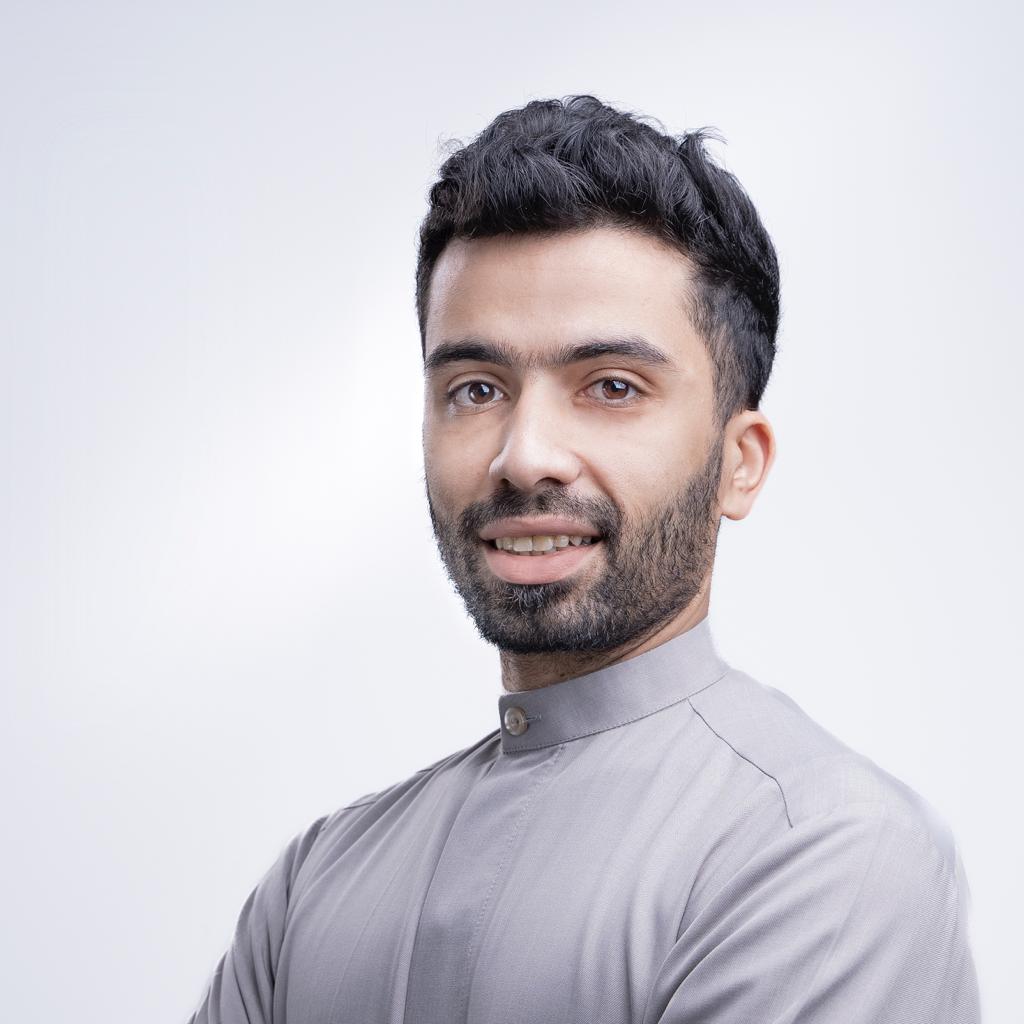
Rida Alhashem
Founder, Leads
B2B marketing and lead generation specialist, with expertise in website development, search and AI visibility in the Saudi market.
inOther notes on getting found and getting inquiries in Saudi B2B.
Tell us what you sell and who buys it. We reply within one business day, with questions, not a pitch.


